How to Protect Owls with the Best Owl Boxes

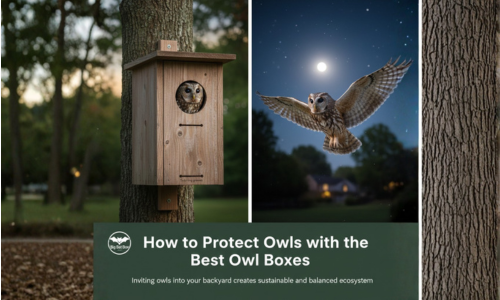
Inviting owls into your backyard is one of the most rewarding steps a homeowner can take toward creating a sustainable and balanced ecosystem. These magnificent nocturnal birds are nature’s most efficient hunters, specializing in managing rodent populations that might otherwise damage your garden or home. By providing a dedicated space for them to nest, you are not just offering a roof over their heads; you are participating in vital conservation efforts. As natural nesting sites like old, hollow trees become increasingly scarce due to urban development, human-made habitats become essential lifelines for species like the Eastern Screech Owl or the Northern Saw-Whet Owl.
Beyond the practical benefits of pest management, there is a profound sense of wonder that comes with hearing the soft hooting of an owl under a starlit sky. It connects us to the rhythm of the natural world and reminds us of the delicate beauty of local wildlife. High-quality nesting structures ensure these birds stay warm during freezing winters and remain cool during the peak of summer heat. If you are looking for the perfect habitat to start your journey into wildlife conservation, you can find premium options at Big Bat Box. Investing in a sturdy home for these birds ensures they have a reliable place to raise their young, keeping your neighborhood vibrant and rodent-free for years to come.
Building A Sturdy Fortress Against The Elements
A high-quality owl house must be more than just a wooden box; it needs to be a functional fortress that stands up to the harshest weather conditions. When selecting materials, thick, weather-resistant wood is the gold standard because it acts as a natural insulator. During the deep chill of winter, thick walls trap the bird's body heat, preventing life-threatening frostbite. Conversely, during the blistering summer months, this same insulation prevents the interior from becoming an oven, protecting vulnerable owlets from heat exhaustion.
The structural integrity of the box also depends on how it handles moisture. A well-designed habitat includes strategically placed drainage holes at the base to ensure any wind-blown rain can escape quickly, keeping the nesting material dry and mold-free. Furthermore, the roof should have a slight overhang to shed water away from the entrance hole. By mimicking the deep, dry cavities found in ancient hardwood trees, these boxes provide a level of comfort that encourages owls to return season after season, making your backyard a permanent sanctuary.
Design Elements That Support Growing Families
The interior of an owl box requires specific features to help young fledglings thrive as they prepare for their first flight. Unlike many songbirds, owls do not build traditional nests out of twigs and grass; they rely on the debris found at the bottom of a hollow. Therefore, the internal floor must be spacious enough for a mother and several growing chicks to move around without overcrowding. A key feature to look for is "fledgling grooves" or a textured inner wall just below the entrance hole. These small ridges act like a ladder, allowing young owls to practice climbing and strengthening their grip before they are ready to leave the nest.
- Thick cedar or pine walls provide superior thermal regulation throughout the year.
- Pre-drilled mounting holes allow for easy and secure installation on trees or poles.
- A side-opening door makes annual cleaning and maintenance a simple task for owners.
- Integrated predator guards prevent larger animals from reaching into the nesting area.
- Natural wood finishes blend seamlessly into the environment to avoid scaring away birds.
- Wide entrance holes are specifically sized for small to medium owl species to enter easily.
- Recessed floors help keep the interior dry by preventing water from seeping into corners.
Strategic Placement For Maximum Occupancy
Even the best owl house won't attract residents if it is placed in the wrong location. To see success, you must think like a bird of prey. Owls prefer a clear flight path to their front door, meaning the entrance should face an open area like a field, meadow, or a clear patch of lawn. This allows them to swoop in and out without navigating through dense branches that could damage their feathers or alert predators to their location. Height is also a critical factor; mounting the box 10 to 20 feet above the ground is generally recommended to keep the inhabitants safe from ground-based threats like cats or foxes.
Consider the direction of the wind when choosing a spot. In most northern climates, facing the entrance toward the south or east helps protect the interior from cold northern gusts and provides the benefit of the morning sun. Avoid placing the box near bright floodlights or high-traffic areas, as owls are sensitive to noise and artificial light. By choosing a quiet, sturdy tree on the edge of your property, you create a private estate that any screech owl would be proud to call home.
See Our Habitat In Action
This video demonstrates the simple installation process and shows how owls interact with the nesting structure in a real backyard setting.
Maintaining Your Wildlife Sanctuary
Once you have successfully attracted an owl family, the work doesn't stop there. Annual maintenance is required to keep the environment healthy for the next brood. Every year, typically in late fall before the nesting season begins again, you should open the side door to clear out old nesting debris and pellets. This prevents the buildup of parasites and ensures the box remains a hygienic space. Adding a fresh layer of unscented wood shavings, about two to three inches deep, provides the perfect base for the owls to settle in.
Monitoring your box from a distance can be a thrilling hobby for the whole family. Using binoculars, you might spot the tufted ears of a screech owl peering out of the hole at dusk. This passive observation allows you to enjoy the presence of wildlife without causing them stress. Over time, your backyard becomes a critical node in a larger network of urban wildlife corridors, proving that even small changes in our landscaping choices can have a massive impact on the survival of these iconic nocturnal predators.
Embracing A Greener Future With Owls
Choosing to support local wildlife is a commitment to the health of our planet and the beauty of our immediate surroundings. By installing a high-quality nesting box, you are providing a permanent solution to habitat loss while enjoying the countless benefits of having owls nearby. These birds work tirelessly through the night to keep your garden safe, requiring nothing in return but a quiet place to rest. It is a harmonious relationship that brings a touch of the wilderness back into our modern lives.
As you look forward to the sounds of nature in your yard, remember that quality and durability are the keys to a successful nesting season. A well-placed home can last for a decade, providing shelter for generations of owls. For those ready to make a difference and welcome these silent hunters home, the best place to start your journey is with the reliable products found at Big Bat Box. Together, we can ensure that these majestic creatures continue to soar through our night skies for years to come.
You may also like
Home and Decore
How to Upgrade Your Outdoor Space for Comfort and Relaxation
By admin
Published Apr 29, 2026

Fashion
How to Style and Why Everyone Is Looking for Love Island The Debrief S01 Toni Laites Eyelet Hoodie
By Dylan Price
Published Jun 23, 2026

Fashion
How to Style the NCIS Origins S01 Cecilia Dominguez Striped Shirt for Effortless Everyday Elegance
By Samuel Whitman
Published Jul 01, 2026