Solar Generators vs Solar Panels: Which One to Buy from UDPOWER

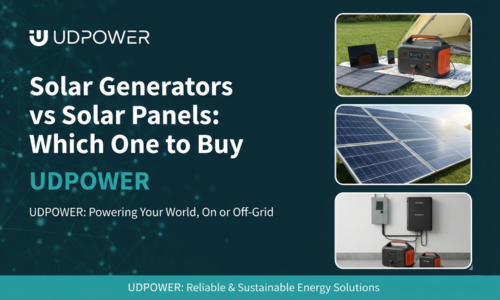
In an era where backup power, off-grid energy, and clean electricity are priorities for outdoor enthusiasts and homeowners alike, solar energy has become a standout solution. Two related products often considered for similar purposes are solar generators and solar panels. While both contribute to renewable energy use and provide alternatives to traditional power sources, they serve different roles and meet different needs. If you’re considering products from UDPOWER, understanding these differences will help you make an informed investment. Below, we explore what each product category offers, how they work, their benefits and limitations, and tips for choosing the right solution for your circumstances.
Understanding Solar Generators and Solar Panels
Before diving into which option might be the best for you, it’s important to define what these products are and how they operate.
What is a Solar Generator?
A solar generator as UDPOWER describes on its site refers to a portable power station that can be paired with solar panels to store energy and provide electricity wherever it’s needed. Solar generators combine a battery, inverter, and charge controller in a single unit designed to be charged via solar power, wall outlets, or even car outlets.
Solar generators from UDPOWER are built with long-life lithium iron phosphate (LiFePO₄) batteries that can deliver hundreds to thousands of charge cycles, making them suitable for repeated use during travel, camping, emergencies, or even home power backup.
Some common UDPOWER solar generator models include compact and lightweight units ideal for charging phones, laptops, lights, and small appliances, up to more robust units capable of handling larger loads such as fridges, routers, CPAP machines, and more. These power stations typically range in capacity from around 192 Wh to over 1,000 Wh, with output wattage levels from hundreds to over a thousand watts depending on the model.
What are Solar Panels?
Solar panels are devices that convert sunlight into electrical energy. These panels often made of monocrystalline cells are designed to capture solar radiation and produce DC (direct current) electricity. When used in a standalone context (not connected to a battery), solar panels can power devices or systems that directly accept this DC current.
The UDPOWER solar panel collection currently includes portable panels, such as a 120W portable solar panel and a 210W foldable portable solar panel, both suited for outdoor use, RVs, campsites, or charging compatible batteries or power stations.
Solar panels are not energy storage devices on their own; they generate electricity only while receiving sunlight. This means they must be connected to batteries or inverters to provide continuous, usable power when sunlight is not available.
Solar Generators: Benefits and Best Uses
Solar generators are often promoted as versatile power solutions. UDPOWER highlights its practicality for a wide range of scenarios, from day trips and camping to emergency home backup.
1. Portable, Ready-to-Use Power
One major advantage of solar generators is that they are all-in-one systems. You don’t need to piece together separate components; the battery, inverter, and outputs are already built in. You can connect them to solar panels, plug in your electronics, and use them right away.
Smaller models like the UDPOWER C200 Portable Power Station are lightweight and compact, making them easy to carry on camping trips or for work-on-the-go scenarios, yet still powerful enough for phones, laptops, lights, and mini appliances.
2. Power Storage Capability
Unlike standalone solar panels, solar generators store energy in batteries. This stored energy can be used anytime, even at night or during overcast weather, making them far more flexible than direct solar panels that only produce electricity under sunlight.
For example, a larger UDPOWER unit such as the S1200 Portable Power Station offers around 1190 Wh of stored energy with substantial output capacity, enabling you to power multiple devices or even run household essentials during a blackout.
3. Multiple Output Options
Solar generators typically come with a mix of AC outlets, USB-A and USB-C ports, DC outputs, and sometimes wireless charging. This range of outputs allows you to power or charge a variety of electronics simultaneously without needing adapters or separate equipment.
4. Indoor and Outdoor Use
Because solar generators are battery-based and don’t produce exhaust, they can safely be used indoors for emergencies or outdoors for travel without the ventilation requirements that come with gasoline generators.
Solar Panels: Benefits and Best Uses
Solar panels are a core component of any solar energy system, but they serve a different purpose than a complete solar generator.
1. Direct Solar Energy Capture
Solar panels produce electricity directly from sunlight, providing renewable energy at no ongoing fuel cost. They are ideal when paired with a battery or generator system to offset energy needs, reduce grid dependence, or cut electricity costs over time.
UDPOWER’s portable 120W and 210W solar panels are designed for flexibility. The foldable nature makes them suitable for camping, RV travel, or mobile energy solutions where portability and ease of deployment matter most.
2. Expandable and Modular
Unlike built-in solar generator panels (if included at all), standalone solar panels can be added or combined to increase total generating capacity. This modularity is useful if your energy needs grow or if you want to scale up for larger power systems in the future.
3. Lower Upfront Costs for Panels Alone
Because solar panels don’t include battery systems or inverters, their base cost is generally lower than that of a complete solar generator system. This can make them an attractive option if you already own a compatible power station or inverter system.
Solar Generator and Panel Kits: Best of Both Worlds
For many users, the ideal setup involves both a solar generator and compatible solar panels that work together seamlessly. UDPOWER often offers kits or bundling options where a power station is paired with solar panels, allowing you to harness, store, and use solar energy efficiently.
These kits eliminate many compatibility headaches and ensure that your solar panel’s output matches the charging specifications of your chosen power station. Whether for extended camping, RV life, or emergency home backup, a paired system is usually more powerful and flexible than either component alone.
Which Should You Buy? Decision Criteria
Choosing between a solar generator, solar panels, or a combined setup comes down to your specific needs:
1. Immediate Use and Versatility
If you want an easy, portable solution that can power devices any time day or night a solar generator is likely your best choice. It offers built-in storage and versatile outputs without requiring additional equipment to work.
2. Expandable Solar Capture
If you already have a compatible power station or plan to build a larger solar energy system (for home backup or increased capacity), standalone solar panels offer modular flexibility and a lower initial investment for energy capture.
3. Best All-Around Solution
Pairing your solar generator with panels is often the most balanced choice. The panels recharge the battery system during daylight, while the generator supplies power to devices and appliances at any time. This combination gives you the best of renewable energy sophistication and on-demand usability.
Both solar generators and solar panels are technologies that help you harness renewable energy, reduce dependency on traditional power sources, and prepare for power interruptions. By understanding how these products work and comparing options carefully, you can choose the best UDPOWER solution for your energy needs in 2026 and beyond.
You may also like

Home and Decore
Home and Decor Ideas That Transform Living Spaces Into Beautiful, Stylish, and Comfortable Homes
By admin
Published Jun 06, 2026

Fitness and Sports
Fitness and Sports Activities That Improve Strength, Endurance, and Overall Well-Being
By admin
Published Jun 06, 2026